
The Fatal Dog Attack
The CallerThis flow traces the circumstances and aftermath of Theo Bosch’s death, from the dogs’ unexplained escape to the unresolved question of responsibility.
increasing Bearing strength in each event
 decreasing
Bearing strength in each eventdecreasingAn Open Kennel
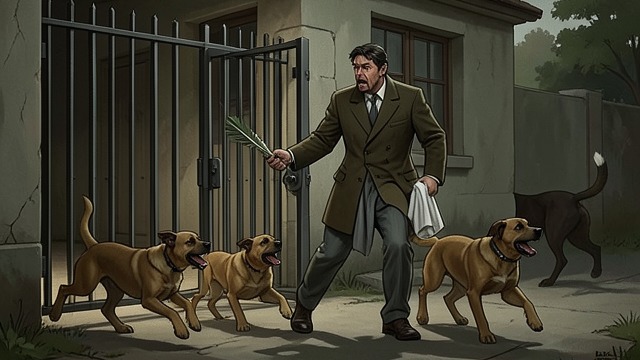
An Open Kennel
Dogs return from the woods
Bjørn Schillinger comes home to find his kennel empty and dogs returning with blood around their mouths. He catches several, washes them, and closes the gate again before anyone has explained what happened.
A procedure under suspicion
Schillinger insists that he always locks the gate in a practiced sequence. Yet the dogs had been free to range through the same forest where Theo was walking.
His confidence in routine collides with evidence of an escape. The missing interval becomes the central practical question: how did the animals get out, and what did they encounter?
The Discovery At Skillet
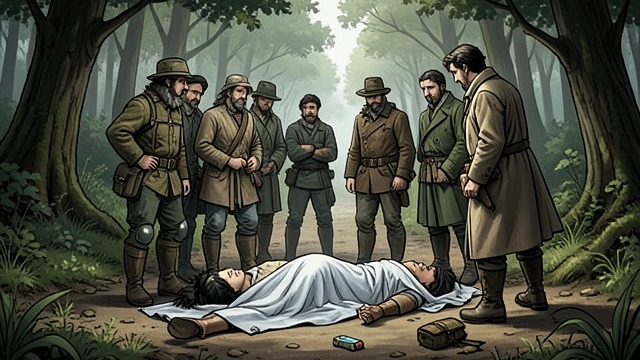
The Discovery At Skillet
A scene no one can explain
Police officers gather at a forest junction after cyclists find a small child’s remains. Sejer sees a torn body, a small pack, and the toy Theo carried.
A family identified
Hannes and Wilma arrive searching for their missing son. Sejer must tell them that the boy is dead while preventing them from seeing the worst of the scene.
The discovery transforms the missing-child search into a devastating confirmation. The child’s identity becomes certain when the ringtone on Theo’s phone answers his father’s call.
The Pack’s Instinct
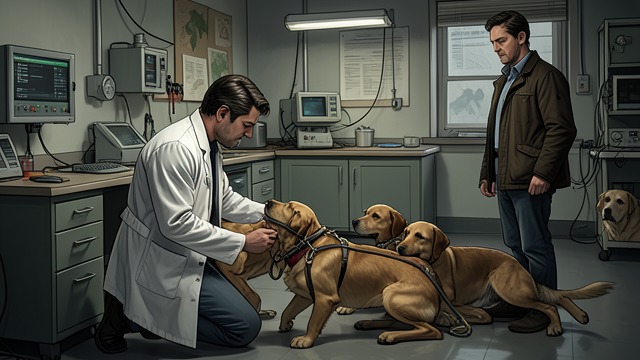
The Pack’s Instinct
Evidence of multiple attackers
The pathologist and investigators confront injuries consistent with an attack by several dogs. Sejer and Skarre begin looking for an owner whose animals could have ranged through the forest.
Human control gives way
Later, Sejer explains that dogs running together may act through pack and hunting instincts rather than familiar domestic behavior. Theo, alone and small, had no realistic chance against a group of powerful animals.
The attack exposes the limits of human confidence about animal behavior. Its horror does not excuse careless ownership, but it complicates the question of how responsibility should be assigned.
Schillinger’s Defense
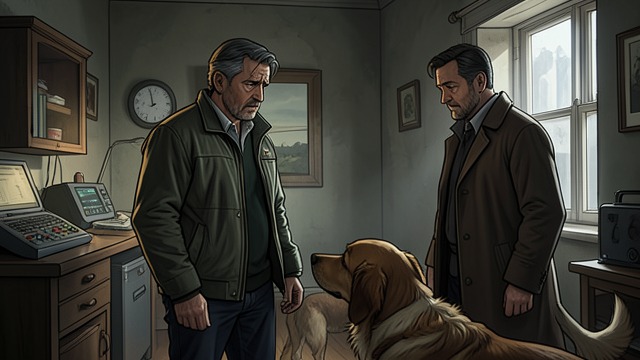
Schillinger’s Defense
A keeper confronts loss
Investigators tell Schillinger that Theo has died and that his dogs are suspected. He is horrified, fears losing the animals, and repeats that he never leaves the gate unsecured.
Sabotage as explanation
Schillinger claims another person must have opened the kennel, pointing to a series of local hoaxes. The theory finds an audience because the community already knows that a prankster has been terrorizing residents.
His claim may be sincere, but it also shifts attention away from his duty to control the animals. The investigation must separate a credible possibility of sabotage from the owner’s unavoidable responsibility to keep the dogs contained.
A Verdict Deferred
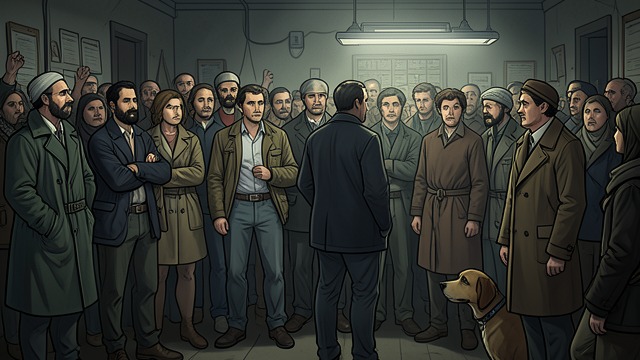
A Verdict Deferred
The community takes sides
Some residents believe Schillinger’s account, while others assume that the known prankster released the dogs. Karsten Sundelin finds common ground with Schillinger through their anger and distrust of official justice.
Proof remains unavailable
The police investigate the kennel and the dogs, but Johnny dies before the question of his involvement can be resolved. Schillinger’s trial remains ahead, and the possibility of reasonable doubt persists.
Theo’s death produces no simple resolution. The community can identify the damage, yet the exact chain of responsibility remains uncertain and creates fresh conflicts among those left behind.
the afternoon of Theo’s hike
late afternoon, after two cyclists find the remains
the first investigation at Glenna
the first days after Theo’s death
the weeks after Theo’s death and before Schillinger’s trial
